Everyone Is Performing “Hotel Lobby” Now: When AI Remixes Become the Entire Content Strategy
Spend enough time scrolling TikTok, Instagram Reels or YouTube Shorts and you’re bound to notice the hotel lobby AI trend. One minute it’s a pop hook belted by Ariana Grande in a digital “orange room”; the next, it’s Drake or an anime character covering the same snippet, all layered over the identical beat. The original vocals are replaced—sometimes seamlessly, sometimes hilariously—with the voices of celebrities, avatars or AI-generated variations.
The appeal is infectious and participatory: anyone can swap in a new performer, and the results range from uncanny to comedic. But as the sense of deja vu grows, so do questions about originality, permission and the creative limits of template culture. What happens when AI-powered performance remixing goes from quirky trend to the dominant content strategy? And does anyone even remember what the original “hotel lobby” sounded like?
Explain the Orange Room and Shared Microphone
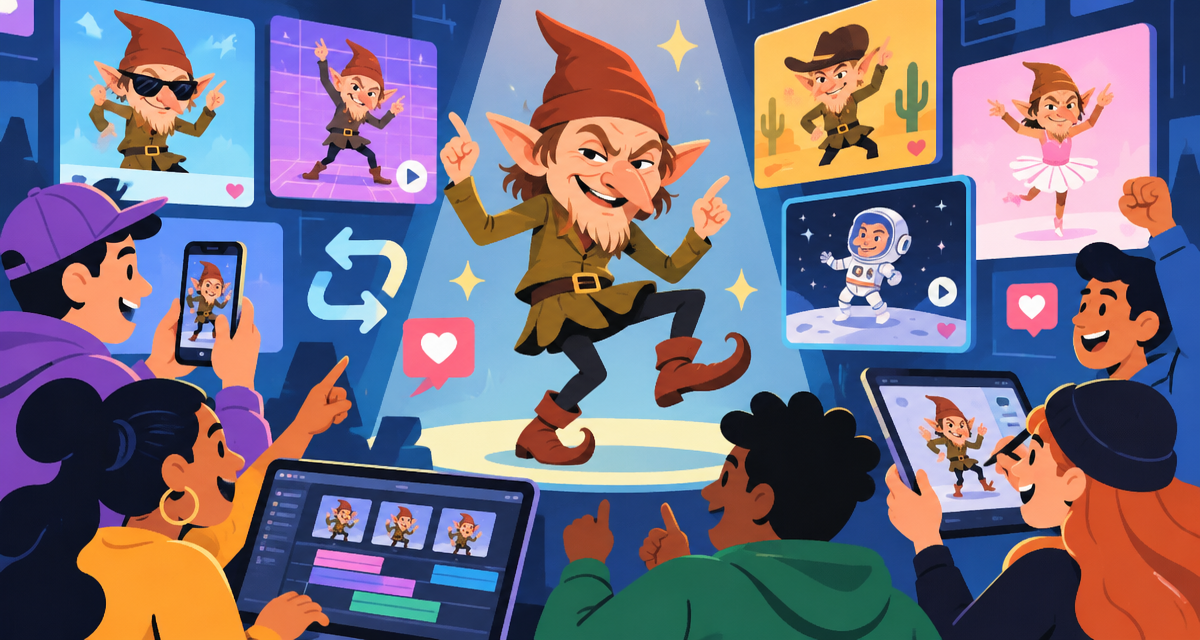
The heart of the hotel lobby AI trend lies not just in the song itself, but in the recognisable visual template anchoring the whole format. The “Orange Room”—an animated, monochrome backdrop with a velvet rope, microphone and a virtual crowd—became the de facto stage. This set-up, originally a playful nod to karaoke nights and open mics, found new life as creators layered their own vocals, swapped digital masks or used AI tools to give the performance to unexpected guests (think SpongeBob, politicians, or hyper-real AI-generated pop stars).
The shared microphone is both literal and symbolic: it’s a creative prompt, an invitation and a shortcut. Here’s how the formula works:
- Start with the Orange Room template (freely available for remixing on platforms like TikTok and CapCut).
- Import a segment of a trending song—recently, that’s “Hotel Lobby” or similar easily loopable tracks.
- Layer in your chosen “performer,” whether it’s your voice, a friend’s, a celebrity impression or an AI-generated voice swap using tools like Voicemod or ElevenLabs.
Technically, most creators are using template-driven video editors alongside AI voice synthesis services. For those without the tech know-how, dozens of tutorials, how-to overlays and prompt packs now make it almost frictionless to join the trend.
What’s actually happening under the hood? In the best examples, AI is used to isolate the vocal signature of a real or fictional performer, then blend that over the track with surprisingly good lip-sync and staging. The “shared microphone” effect is communal: anyone with the right tools can become anyone, performing a song that belongs to no one and everyone at once.
This makes the Orange Room as much a meme template as a karaoke booth—its emptiness is the prompt, and anything (or anyone) can briefly occupy the spotlight.
Why Familiar Performances Invite Endless Substitutions
One reason the hotel lobby AI trend spread so quickly is its mix of novelty and familiarity. Most viewers already “get” the reference: a known song, a signature stage, an easily recognisable setup. Audiences instantly know what’s supposed to happen, even if it never does exactly the same way twice. This recognition acts like a creative on-ramp—lowering the bar for participation, while raising the potential comedic or viral payoff.
Consider the psychology:
- Template recognition means viewers instantly decode the rules of engagement. They know what’s original, what’s borrowed, and when to expect a punchline or a twist.
- Substitution fuels infinite remixing. The format is built on swap-outs: swap the singer, modify the genre, introduce a new “room host.” Unlike traditional covers, where skill or fidelity is prized, here the joy is in seeing the unexpected (Joe Biden crooning a rap verse, a 1990s cartoon belting the chorus, your own dog’s gruff “vocals”).
- Algorithms reward repetition. The more familiar and shareable a format, the more platforms like TikTok and Instagram boost its visibility. Creators who chase reach often default to plugging new variations into proven templates, knowing that micro-innovations gain more views than genuine originality would.
Businesses and marketers spot this pattern too—and sometimes try to ride the template wave themselves. From branded Orange Rooms featuring influencers, to paid remixes with licensed music, the formula is as tempting for brands as it is for regular users. But with so much performative reuse, it’s increasingly hard to stand out or claim genuine creative credit.
Separate a Funny Remix From a Distinctive Creative Idea
Remix culture isn’t new. But the line between a clever, distinctive reinterpretation and formulaic meme-chasing has grown blurry in the AI era. Simply swapping out a performer with a celebrity deepfake or an AI voice rarely amounts to true creativity—it’s a technical stunt, more assembly than art.
To be fair, technical skill or comic timing can elevate a routine Orange Room performance into something that truly surprises or entertains. But for every inspired subversion (like using a non-singer to dramatically overact the lyrics, or a deadpan AI anime singer with a perfectly timed glitch), there are a hundred safe re-skins that register as little more than digital background noise.
So what separates a funny remix from a distinctive creative idea?
- Distinct voice or spin: The most memorable reinterpretations bring in something new—an original lyric, a radically different emotional tone, a mashup with another meme or genre that reframes the source.
- Surprise or commentary: Smart creators use the expectations of the template as a setup, only to subvert those expectations halfway through. A political satire, a meta-joke about the trend itself, or a deliberate technical “malfunction” all qualify.
- Added value for the audience: Does the performance make viewers laugh, rethink the original, or inspire new remixes? Or is it simply phoning it in with a new AI-generated face?
From a business perspective, real differentiation gets harder as templates proliferate. Brands hoping to ride the trend need to ask whether their remix adds anything memorable—or whether they’d be better off investing in original content instead.
Consider Likeness and Music Permissions
The hotel lobby AI trend, like most viral remix formats, raises tricky legal and ethical questions. When does a meme morph into an infringement? And what should creators or businesses know before hopping on the trend?
Likeness rights refer to the legal protections around a person’s voice, face or signature style. Using AI to impersonate a celebrity or influencer—even as parody—quickly enters gray territory, particularly when the performance looks or sounds exceptionally real. Many platforms have community guidelines, but actual enforcement is inconsistent and often lags behind the speed of meme trends.
Music permissions are even thornier. While some social media platforms license a vast library of hits for user-generated content, these agreements rarely extend to remixing or AI-overdubbing, especially for commercial use. Uploading an AI “version” of a copyrighted track can trigger takedowns, demonetization or, in rare cases, legal threats. The fact that so many Orange Room/“Hotel Lobby” remixes exist in a legal gray zone is both a symptom and a risk: what’s tolerated today could be gone—or penalised—tomorrow.
Key considerations:
- If you’re a business or creator working with public figures, clear consent is crucial, especially if you plan to monetise the content or use it for promotional purposes.
- Rely on officially licensed music through platforms like TikTok’s TikTok or Instagram Reels, and read the fine print if you’re mixing, remixing or manipulating tracks.
- Stay vigilant to changing policies; what’s allowed on YouTube Shorts may be flagged on TikTok, and vice versa.
For the majority of casual participants, the reputational risks are minimal. For commercial accounts or professional creators, it’s worth consulting actual legal experts—or just avoiding the murkiest gray areas altogether.
Decide When to Use a Template and When to Move On
At its best, template-driven remixing democratizes creativity: anyone can join the hotel lobby AI trend, put their own spin on it, and reach a vast audience in minutes. Templates lower technical barriers, speed up production and invite collaboration. But there’s an obvious trade-off: the more templated the content, the more ephemeral and indistinguishable it often becomes.
When should creators and brands lean into these templates, and when is it time to try something new?
- Use templates for rapid engagement when you want to join a trend, build topical relevance or connect with a meme-savvy community quickly. This is ideal for personal accounts, influencer tests or “just for fun” viral experiments.
- Move on when:
- You’re aiming for lasting brand identity. Your voice and visuals risk getting lost when hundreds of others use the same format.
- The trend peaks or audiences tire. Once meme fatigue sets in, templated content becomes a liability—worse than forgettable, it’s easily mockable.
- You’ve got something unique to say or new to showcase. Original ideas need space, and even a twist on the familiar may deserve new staging or music.
For businesses, aim to participate early in participatory trends, always adding your own unique layer—whether that’s a branded character, a surprising remix or useful context. Treat templates as vehicles, not substitutes for creativity. When a trend starts to feel like a treadmill, it’s probably time to pivot, lest your content strategy become as generic as an empty Orange Room waiting for the next AI impersonation.