Audio vs Video Podcast for Business: Decisions Beyond the Microphone
You’re plotting the launch of a company podcast. Budget spreadsheet open, caffeine surging, you face a surprisingly modern, awkward question: do you start with just audio, or do you go all-in with video? Creators, brands and marketers alike are wrestling with this crossroads—yet most advice fixates on trends or vanity metrics. In reality, the best podcast format selection is about a sharply nuanced evaluation of your actual audience, brand goals, and operational investments. Let’s dig deeper into how the “audio vs video podcast for business” debate plays out when outcomes—not hype—are what matter most.
Match the Format to Audience Habits
First, forget format FOMO. The decision between audio and video podcasts matters less “in the abstract” and more in the context of your audience’s real-world routines. Audio podcasts gained traction because people could fit them into the odd cracks of their day: the commute, the dishwashing, the gym. Today, that effortless ubiquity still makes Spotify and Apple Podcasts the core platforms for millions of listeners. If your business targets time-starved professionals, mobile learners, or multitaskers, pure audio offers unbeatable frictionless access.
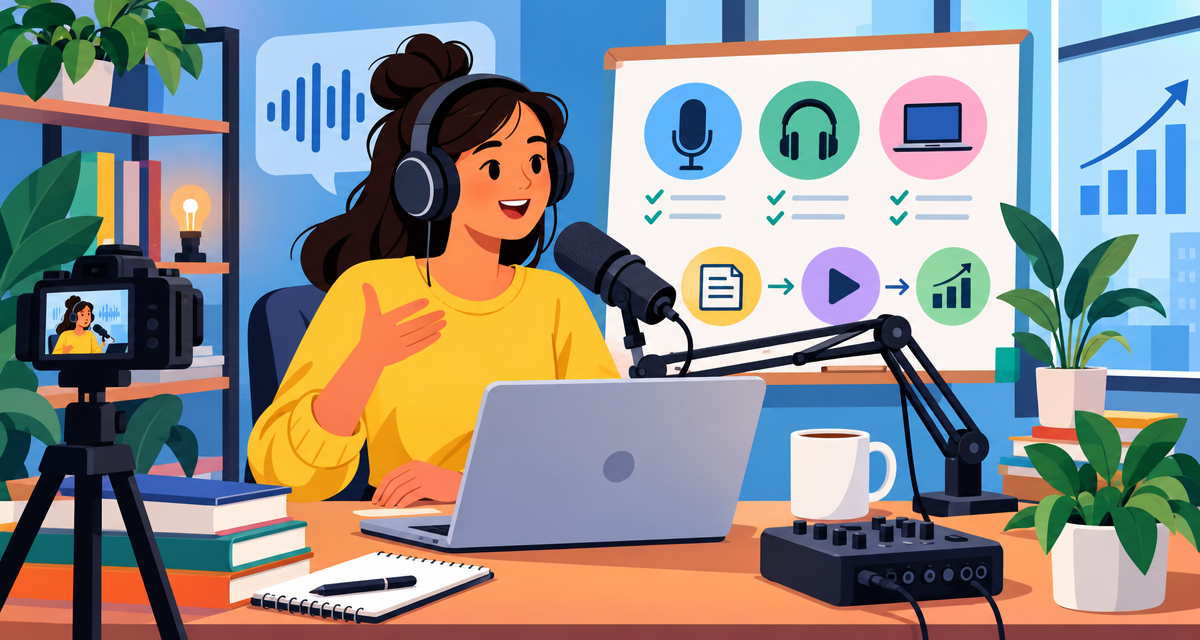
However, a shift is underway, with video—led by YouTube and TikTok—emerging as a powerful discovery engine for podcasts, especially among younger audiences and visual-centric niches. Video podcasts aren’t just audio files with a camera pointed at a static face; they can be dynamic, incorporate visual aids, screen shares, or interactive moments, which can be compelling for audiences interested in how-to topics, interviews, or entertainment.
Consider the following audience-centric questions to focus your decision:
- Where does your target audience consume content? Are they more likely to be listening on headphones or browsing on desktops?
- What is their daily routine? If your ideal listener commutes, exercises, or does housework, audio makes sense. If they engage with content at their desk, video might win.
- What expectations has your industry set? B2B SaaS brands often dominate with audio, while creators, coaches, or visual brands (beauty, tech demos) thrive in video.
The rise of “vodcast” platforms and short-form video snippets further blurs these boundaries, so don’t let the format decision become dogma. Your audience habits—not the shiny new thing—should lead your choice.
Compare Recording and Editing Workloads
On paper, recording a podcast looks simple. But the difference between audio and video production stacks up quickly in sweat, gear, and editing time. The following table summarises the key production differences at a glance:
| Production Aspect | Audio Podcast | Video Podcast |
|---|---|---|
| Equipment Needed | Microphones, basic audio interface, headphones, recording software | Cameras, microphones, tripods, lights, backgrounds, mixing desk, editing workstations |
| Setup Complexity | Low – quick to set up and tear down | High – camera placement, lighting, set design considerations |
| Editing Time | 30-90 min per hour of content | 2-4x audio edit time; visual edits, color correction, overlays, syncing required |
| Remote Interviews | Often seamless (Zoom, Riverside, Zencastr) | Frequent technical issues: video lag, variable connection quality, inconsistent lighting |
| Final File Size | Very manageable (10-50MB/hour) | Large (1-2GB/hour), longer upload/download times |
| On-Camera Performance | Not needed – guests and hosts can relax, focus on content | Important – requires energy, eye contact, camera presence |
The hidden trade-off: Video opens up memorable brand-building moments but increases the friction at every workflow stage. Hosts and guests must be camera-ready. Audio-only lets you prioritise storytelling and comfort, often enabling a more natural performance and faster publishing schedule.
Assess Repurposing Opportunities
Podcast format is not just about initial publishing—it’s about how easily you can atomize content across marketing channels. Here, video podcasts hold a tangible advantage. When you start with video:
- Clips can become YouTube Shorts, Instagram Reels or LinkedIn teasers.
- Visual how-tos or demo segments become training material or gated assets.
- Transcripts and screencaps add context to blog posts or email campaigns.
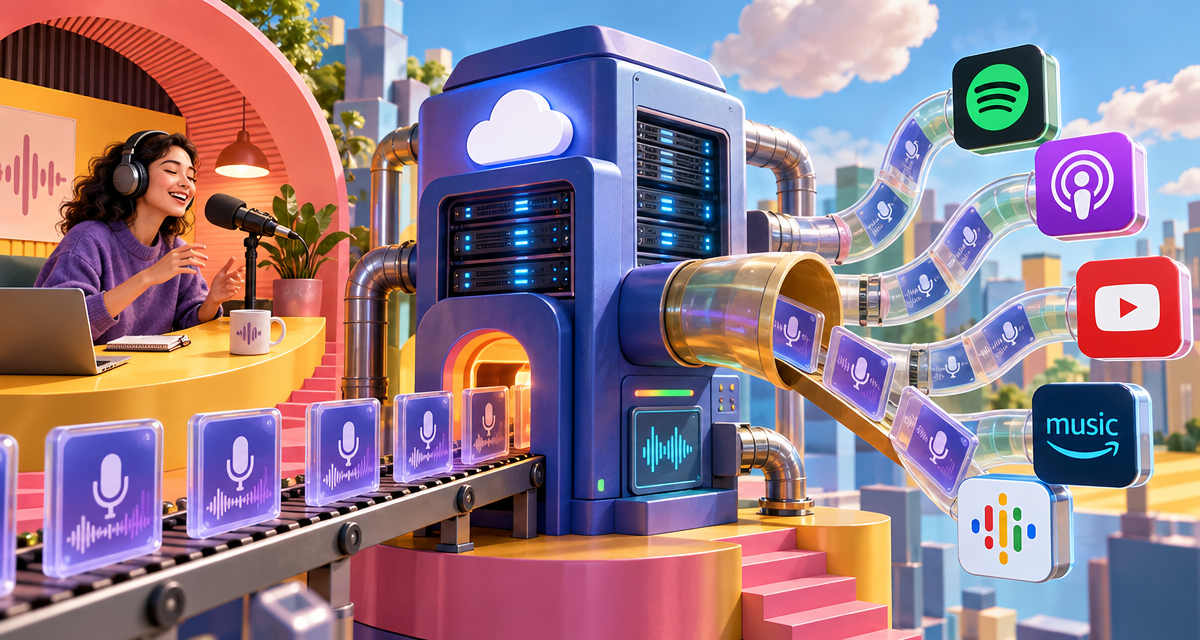
Audio podcasts aren’t left behind, however. They can be transcribed for SEO-rich articles, quoted in newsletters, remixed as audiograms (waveform videos with captions), or broken into highlight reels. The core difference is the native versatility of video: every episode provides “raw material” not just for listeners, but for viewers, scrollers and skimmers everywhere. The cost? Time and effort spent on production and coordination rises considerably, especially if you want to maintain professional standards and not just record a glorified Zoom call.
This is where production philosophy comes into play. If your business intends to run a “content flywheel”—pumping out social bites, snippets and blog recaps from every episode—an upfront investment in video multiplies your reach. If your brand rewards intimacy, authority and commute-friendly storytelling, audio remains lean and effective.
Budget for a Sustainable Release Schedule
Excitement seldom survives contact with the spreadsheet. The sustainability of a podcast—audio or video—hinges on your ability to keep producing at a steady pace, week after week, without burning out hosts or budgets. Here’s how the numbers break down for a solo freelancer versus a small marketing team:
- Audio-Only Podcast: Entry-level costs might fall under $500 for a quality microphone and software. Ongoing production can often be handled part-time, especially with efficient processes or affordable freelancers. Editing, show notes, hosting and distribution can be templated for consistency.
- Video Podcast: Starter kits including cameras, lighting and set design frequently push budgets into the $1,500–$3,000 range. Post-production is a significant time sink, usually requiring either in-house video editors or agency support (budget $300–$700 per episode for professional results). Every new episode multiplies the pressure to deliver at a visual standard.
Now factor in talent fatigue—being “on” for video, securing visually engaging guests, or managing set logistics. Many promising business podcasts fade after the first 5–10 episodes due to unfulfilled promises and overwhelmed teams. Ask yourself: Would you rather publish 26 solid audio episodes a year or struggle through 6 impressive but unsustainable video releases?
Pilot the Format Before Expanding
Here’s a secret: even top content agencies regularly run pilot podcasts to test the fit between format, hosts and audience before investing in a full-blown rollout. Recording half a dozen “draft” episodes lets you experiment with both audio and video approaches—testing, for example, whether guests clam up in front of a camera or thrive in audio-only banter. Early pilots can validate tech workflows, estimate real production times, and surface the unpredictable friction points that only show up after a few reps.
Smart businesses also listen to early audience feedback: Do listeners comment on audio quality, ask for visuals, or share video clips on social channels? Are hosts better at unscripted conversation than on-camera delivery? If a format feels forced, dull, or “off-brand,” a pilot phase reveals it before you lock in equipment, branding, and costly expectations.
Don’t let format loyalty derail you. Many successful brand podcasts start with one format, then layer in video or enhanced audio years later—once they’ve built a loyal base and established their process. The best podcasting for business isn’t about chasing trends, but about learning what truly connects with your people, and maintaining a sustainable rhythm for your team.
The Takeaway: Choose with Your Ears—And Eyes—Wide Open
Audio vs video is not a permanent either/or. For business podcasts, the real “win” comes from understanding your core audience habits, setting honest production expectations, and measuring success in terms of actual influence or reach, not vanity plays. Most importantly: format shouldn’t outshine content. A forgettable video remains forgettable. A meaningful, well-produced audio experience can shape brand perceptions, even if it never appears on YouTube’s trending tab. The smart move? Start lean, keep listening, and let your podcast evolve with both your market’s attention—and your team’s real-world capacity.