
YouTube, TikTok or Instagram: How to Choose Your First Creator Platform
Everyone knows someone who decided to post “just one funny video” and found themselves with 10,000 fans and a mild panic attack. The internet’s promises of overnight virality—usually flashed by TikTok, Instagram, or YouTube—are irresistible but dangerously incomplete. Behind every breakout creator, there were head-scratching platform choices, attempts that fell flat, and countless deleted drafts.
The truth is: picking the best platform to start as a content creator isn’t just about what’s hot right now. It’s about aligning your style, your goals, your time, and your definition of “success” with the sprawling, ever-shifting logic of three of the world’s most influential digital stages. Here’s how to cut through the hype and select your true launchpad.
Match Audience Intent to Your Content
Every creator’s first mistake is thinking, “Everyone’s everywhere—so I should be too.” In reality, YouTube, TikTok, and Instagram each attract distinct user mindsets, content norms, and engagement styles. Successful creators pick their playground based on the fit between who they are and who their viewers are hoping to find.
- YouTube (youtube.com): Audiences arrive with purpose—tutorials, deep-dives, how-tos, reviews. They’re ready to watch for ten, twenty, sixty minutes. YouTube rewards structure, expertise, and depth. If you love to teach, entertain in long form, or give step-by-step guides (think: tech reviews, storytime, mini-documentaries), YouTube’s built for you.
- TikTok (tiktok.com): TikTok is pure discovery—momentary, impulsive, raw. Users scroll for bursts of surprise: a quick tip, a punchline, a hack, a “did-you-know.” If your content is meme-worthy, visual, or thrives on brevity (comedy, short tutorials, trends), TikTok’s algorithm can catapult unknowns into viral territory, sometimes in hours.
- Instagram (instagram.com): Still aesthetics-first, Instagram merges aspiration and relatability. It’s where creators build community through regular Stories, polished Reels, and curated feeds. Lifestyle, fitness, beauty, and visual storytelling all flourish here, especially if you’re eager to build connections or monetize through brand partnerships.
Picking the best starting platform isn’t about which app is “winning”—it’s about where your natural output matches real viewer expectations. A 25-minute guitar lesson ignored on TikTok might rack up fans on YouTube. That epic drone shot montage could be an Instagram hit, but a miss with YouTubers looking for in-depth guides. Know what you want to say, then match it to where people already go for content like yours.
Compare Discovery and Content Lifespan
Viral fame is seductive, but sustainability keeps creators in business and communities thriving. Every platform’s structure shapes not only how your first audience will find you, but for how long your work keeps working for you.
| Platform | Discovery Model | Initial Reach | Content Lifespan | Searchability |
|---|---|---|---|---|
| YouTube | Algorithm + Search | Slow Build, High Ceiling | Months – Years | Excellent |
| TikTok | For You Feed (Algorithm) | Explosive Early, Short-Lived | Days – Weeks | Poor |
| Feed + Explore + Hashtags | Steady to Viral | Weeks (Reels), Days (Stories) | Moderate |
TikTok is the king of overnight exposure: one clever video can reach a million new viewers with zero followers. But TikTok virality has a half-life. Most videos peak within days, and evergreen discovery via search is nearly nonexistent. By contrast, YouTube’s slower grind pays long-term dividends—years-old tutorials can still surge in Google searches or the YouTube algorithm. Instagram sits between these extremes: Reels can go viral, Stories vanish in 24 hours, and your main feed lives longer, but is optimized for followers, not strangers.
For creators focused on long-term growth and “passive” audience discovery—teachers, explainers, comprehensive guides—YouTube is hard to beat. TikTok is for creators who want to ride waves of trends and rapidly test content concepts. Instagram is best if regular interaction, visual updates, and short bursts of engagement drive your creative process.
Assess Format and Production Demands
All platforms have democratized creation, but each still rewards certain skills, workflows, and time investments. Choosing the best platform to start as a content creator sometimes means accepting the limits of your schedule, gear, and editing patience.
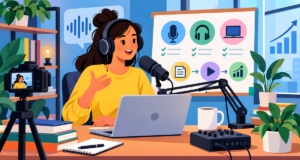
- YouTube: Polished production generally wins—clear video, crisp audio, considered pacing, sometimes scripted storytelling. Thumbnails, SEO-friendly titles, editing, and structure all matter. Most creators need at least basic video editing software and a solid camera (a modern smartphone may suffice, but mics increasingly make a difference). Expect several hours per finished video, especially for anything over five minutes.
- TikTok: Speed beats polish. Filming, editing, and uploading can take minutes. Trends and memes move fast; creators hack together content using the platform’s own tools, existing sounds, and quick edits. Authenticity wins over cinematic quality—jumps, raw speech, shaky cams. If you can react instantly or riff on daily trends, you’re built for TikTok.
- Instagram: Visuals are everything—framing, filters, color, and brand aesthetic. Reels and Stories can be casual but still reward curation and personality. Feed posts demand cohesion, and vertical video rules. Some daily commitment helps if you want to stay top-of-mind. Bonus if you enjoy photography or graphic design—Instagram is the closest thing to a personal magazine.
Your time, comfort with editing, and inclination to jump on trends versus craft longer narratives should drive your decision. If you only post once a month but want depth, YouTube pays off. If you love daily creativity sprints and off-the-cuff ideas, TikTok or Instagram Stories provide the instant feedback loop you crave.
Connect Platform Choice to a Revenue Model
Likes feel nice, but sustainable creator careers need real revenue. Every platform markets opportunities for creator income: ad shares, sponsorships, direct fan support, merch, affiliate sales. But the maturity and accessibility of these revenue streams differ drastically.
| Platform | Direct Monetization | Brand Sponsorships | Fan Support | E-Commerce/Fan Merch |
|---|---|---|---|---|
| YouTube | AdSense Revenue (after 1,000 subs/4,000 hrs) | Strong ($$–$$$$) | Memberships, Super Chat | Native storefronts |
| TikTok | Creator Fund (limited, unpredictable) | Strong, but favors viral/niche creators | Tips, Live Gifts | Third-party links, in-app shop |
| Bonuses (select markets), shares in IGTV/Reels | Strong, especially lifestyle niches | Badges, Subscriptions | Shopping; affiliate links |
YouTube offers the steadiest, most scalable ad revenue—once you clear the initial “partner” hurdles. Direct fan support and memberships can become significant for loyal communities. TikTok’s Creator Fund pays peanuts for most, but brand partnerships can be lucrative if you dominate a trend. Instagram isn’t an ad-revenue machine, but influencer partnerships, affiliate links, and optimized shopping are core features—and the audience is primed to shop and follow lifestyle recommendations.
For creators hoping to “earn while you sleep,” YouTube is the most mature platform—but only if you have patience to reach minimum thresholds. Instagram favors the persistent relationship-builder, and TikTok rewards those who can rapidly sync with culture’s pulse, drawing both micro and macro influencers into brand collaborations.
Run a Focused Channel Test
If you’re still reading, here’s the part nobody trumpet-blasts on creator Twitter: the only way to truly know if a platform is right for you is to experiment—strategically and briefly—on each. Most creators, famous or unknown, started with a “side channel” fling before committing to their digital home.
- Develop a pilot batch of 3–5 content pieces in your chosen niche or style.
- Customize each piece for platform norms: longer, more structured for YouTube, short and trend-aware for TikTok, visual-first for Instagram.
- Track basics: View counts, engagement (comments, likes per view), saves/shares, and DM frequency (on Instagram).
- Go beyond raw numbers. Which process felt most sustainable? Did you enjoy the feedback and conversation, not just the metrics?
- Re-assess after 4–6 weeks. Where did your work feel most “at home”—not just in numbers, but in community response and creativity flow?
What emerges is often unexpected: the YouTuber who discovers they love 30-second sketches, or the TikTok trend challenger whose deep dives click with YouTube’s audience. Only through short, honest trials will you know whether to double down or pivot—and avoid putting all your time into a platform that may never feel right.
The Best Platform Is a Choice, Not a Bet
“Which app is best?” is the wrong question for creators. The real issue isn’t where the most eyeballs are, but where your ideas—flaws, tangents, quirks, and all—can build an audience on your own terms. Whether your ambition is teach, entertain, flex visuals, or inspire purchases, start where your style fits. If that means a two-minute storytelling YouTube series, a daily TikTok riff, or a highly stylized Instagram grid, the right choice is the one you can sustain and own.