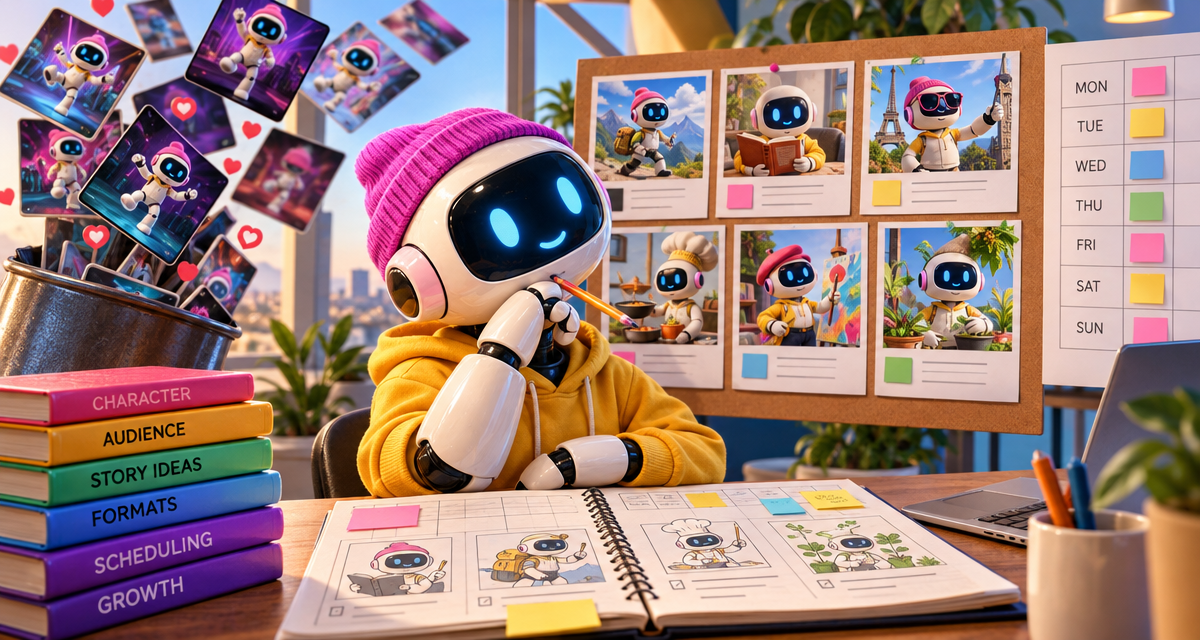
How to Build an AI Character Content Strategy Beyond Random Dancing Videos
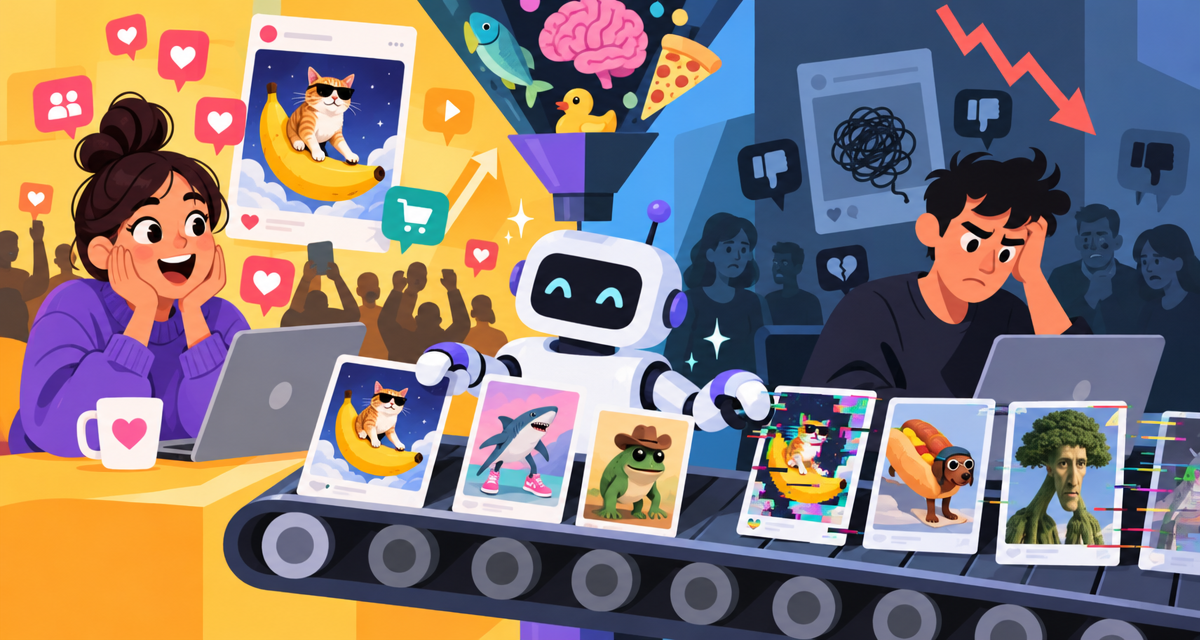
AI characters—virtual personas powered by generative AI—have exploded across platforms like TikTok, YouTube and Instagram Reels. Scrolling through your feed, you’ve probably encountered uncanny humanoids promoting sneakers with robotic charisma, narrating news in doll-like voices, or, most often, performing erratic meme dances with no context or continuity. The viral numbers of these “auto-dancers” tempt brands and creators to try anything just to catch the fleeting spotlight.
But a strategy fueled by randomness rarely survives. If your only plan for using AI characters is to chase “surreal engagement,” your content—and your brand—risks becoming as forgettable as last week’s meme format.
This is where a thoughtful ai character content strategy emerges. Instead of letting algorithmic puppets flail about in a digital void, treat your AI persona like a recurring editorial column: deliberately planned, personality-driven, commercially meaningful and designed to actually keep people coming back. Here’s how to evolve from viral fragments to something real audiences remember.
Give the Character a Recognisable Role
Think about the AI characters that actually break through the vast, noisy internet. They are rarely generic avatars but distinct personas playing a clear, purposeful role. Whether it’s Lil Miquela as the virtual influencer, or brands experimenting with digital mascots like Duo the Owl, the most successful recurring characters have a defined function: commentator, explainer, antagonist, comedian, interviewer, companion.
When planning your own AI character’s editorial calendar, map their “job title” just like you would for a human host. Are they the sarcastic tech reviewer, the friendly fitness mentor, the fictional CEO with questionable ethics, or a dramatic agony aunt for digital dilemmas? The role determines tone, format and the kinds of stories your character can convincingly tell.
- Relatability beats novelty: A recognisable role anchors the character, letting audiences quickly “get” them, even as their stories evolve.
- Editorial authority: Give your AI persona a niche or expertise—it invites loyalty, repeat visits and, over time, actual trust.
- Cultural resonance: Roles that echo familiar tropes (the news anchor, the animated sidekick, the grumpy critic) help AI characters blend into digital culture, sparking memes or fan responses.
Missing this step is why many AI mascots become one-off curiosities. Strong digital characters, whether human or virtual, succeed when they have a clear, audience-facing purpose—one that’s bigger than simply showing off what AI can do.
Define Personality and Recurring Situations
Ask any long-time content creator: sustaining interest means delivering recurring situations, not just novelty. The AI character’s personality must be consistent enough for audiences to anticipate their quirks—while the scenarios they face become running “shows.” This is how web comics, sitcoms and even successful marketing mascots have kept followers invested over years, not trends.
What personality traits will this character embody? Are they playfully cynical, eternally optimistic, terrified of pigeons, or obsessed with spreadsheet hacks? Setting a few core traits isn’t just for style; it’s the backbone of running gags, meme templates and in-joke universes. For example, an AI “startup founder” who chronically misuses buzzwords can riff on tech news, funding announcements or bad business advice, all in a voice that fans start to quote.
Just as critical are the recurring editorial “beats” or situations. These might include:
- Reacting to trending news with their signature take
- Offering satirical life advice each Monday (“Virtual Wisdom with Ava-2.0”)
- Testing viral recipes—and always failing in the same spectacular way
- Hosting mock interviews with other AI personalities or celebrities
When the audience knows both who your AI character is and what they’re likely to do, you’ve moved beyond novelty into the realm of appointment content—where fans come back to see the next twist on a familiar joke or scenario.
Build Repeatable Content Formats
Randomness drives viral spikes; repeatable formats drive brand loyalty. Whether you’re an independent creator or a brand investing in AI storytelling, the most resilient content strategies borrow from television, editorial columns, and podcast series—where reliable frameworks drive scale and consistency.
For AI characters, these frameworks might look like:
- Recurring segments: A “weekly news roast,” “ask me anything,” or “product unboxing with AI sass” keeps production predictable and audience expectations clear.
- Visual/structural templates: Does every episode start with the same glitchy intro jingle?
Is the character’s signature move an on-screen dance after every punchline (not as the only content)? Formats make it easy to produce at scale while building trademark familiarity. - Interactive hooks: Invite followers to submit dilemmas, vote on the next prank, or remix the character’s signature catchphrase within their own posts.
Operationally, repeatable formats also make editorial planning, resource allocation and creative handoff easier. They enable schedule-based publishing (the AI can “go live” every Thursday) and reduce creative burnout from trying to invent a viral moment every single time. Crucially, these frameworks transform AI characters from one-off stunts into sustainable editorial properties.
| Editorial Format | Example Recurring Segments | Benefits | Hidden Trade-Offs |
|---|---|---|---|
| Weekly Desk Update | AI’s Monday Motivational Rants | Regular audience habit, builds character voice | Can feel forced if the AI lacks growth or depth |
| Mock Product Reviews | AI Rates the Latest Gadgets | Opportunities for sponsorships, practical tips | Format may grow stale or appear contrived |
| Troubleshooting Hotline | AI Solves Followers’ Problems (Badly) | Highly interactive, spin-off meme potential | May require heavy moderation and curation |
A repeatable editorial chassis also provides the creative discipline to experiment further—because there’s always a “home base” the audience recognizes.
Connect Stories to a Commercial Purpose
Many AI character projects remain stuck at earning likes, not delivering business results. But with the right editorial approach, these digital hosts can do much more—from driving subscriptions, merch sales or app installs, to deepening brand recall through stories, skits and engagement mechanics.
A purposeful ai character content strategy should align each storyline or content sequence with clear commercial objectives, such as:
- Community building: Deploying the AI to run live Q&A sessions, topical hangouts, or challenge-driven series, fostering user co-creation (and a sense of belonging that algorithm-driven content cannot fake).
- Product integration: Embedding branded items as part of the character’s world—think “What’s in my virtual bag?” or skits where the AI “accidentally” uses your SaaS tool to solve a problem.
- Content-driven funnel: Creating sequenced narratives that lead from short-form skits to long-form explainer videos, newsletters, Discord communities or exclusive digital drops.
The commercial purpose doesn’t always mean direct sales on day one. In some cases, the goal is attention or audience profiling for later re-engagement. In others, it’s about teaching users what your product does—by making the character struggle with the same issues your ideal customers face (and “discover” your solution). If you treat your character as a disposable engagement generator, you’ll miss the chance to embed them into your entire digital marketing eco-system.
Track Returning Audience Interest
Virality inflates ego. Recurring audiences build empires. Measuring the effectiveness of any ai character content strategy requires tuning attention away from vanity metrics—views, likes, superficial follower growth—and toward genuine signals of return interest, especially if your ambitions are beyond influencer momentariness.
Key signals to analyze:
- Repeat engagement: How many unique users comment across episodes? Are the same handles showing up week after week?
- Community indicators: Are viewers remixing your character, tagging friends, or submitting their own “in-joke” content related to recurring story arcs?
- Long-term audience growth: Does your following gradually increase without huge paid boosts, or is reach flatlining without artificial injection?
- Conversion rates tied to story arcs: After storylines featuring a gadget, do product trial sign-ups or newsletter subscriptions spike? Can you connect content to commerce, not just clout?
These are subtler, but far more critical than viral “blips.” And here’s a hidden trade-off: building for returning audience interest means regular content improvements, editorial retrospectives, and occasional pivots away from what the algorithm wants today to what your real fans crave. But stick with it, and you’ll find yourself running not just a content feed—but a digital property with lasting relevance and value.
The Bigger Picture: Living with AI Characters
AI characters are not a trend—they are a new digital publishing model, closer to Saturday morning cartoons or talk-show hosts than disposable memes. When you unify editorial planning, character personality, repeatable formats and commercial goals, you move far beyond the world of random dancing videos. You create characters that aren’t just seen, but actually remembered, referenced and, most importantly, missed when they don’t appear on schedule.